From Misunderstanding to Connection: A Team Finds Its Way Back
A case study from Fokuso Coaching & Training, the Netherlands.
The Situation
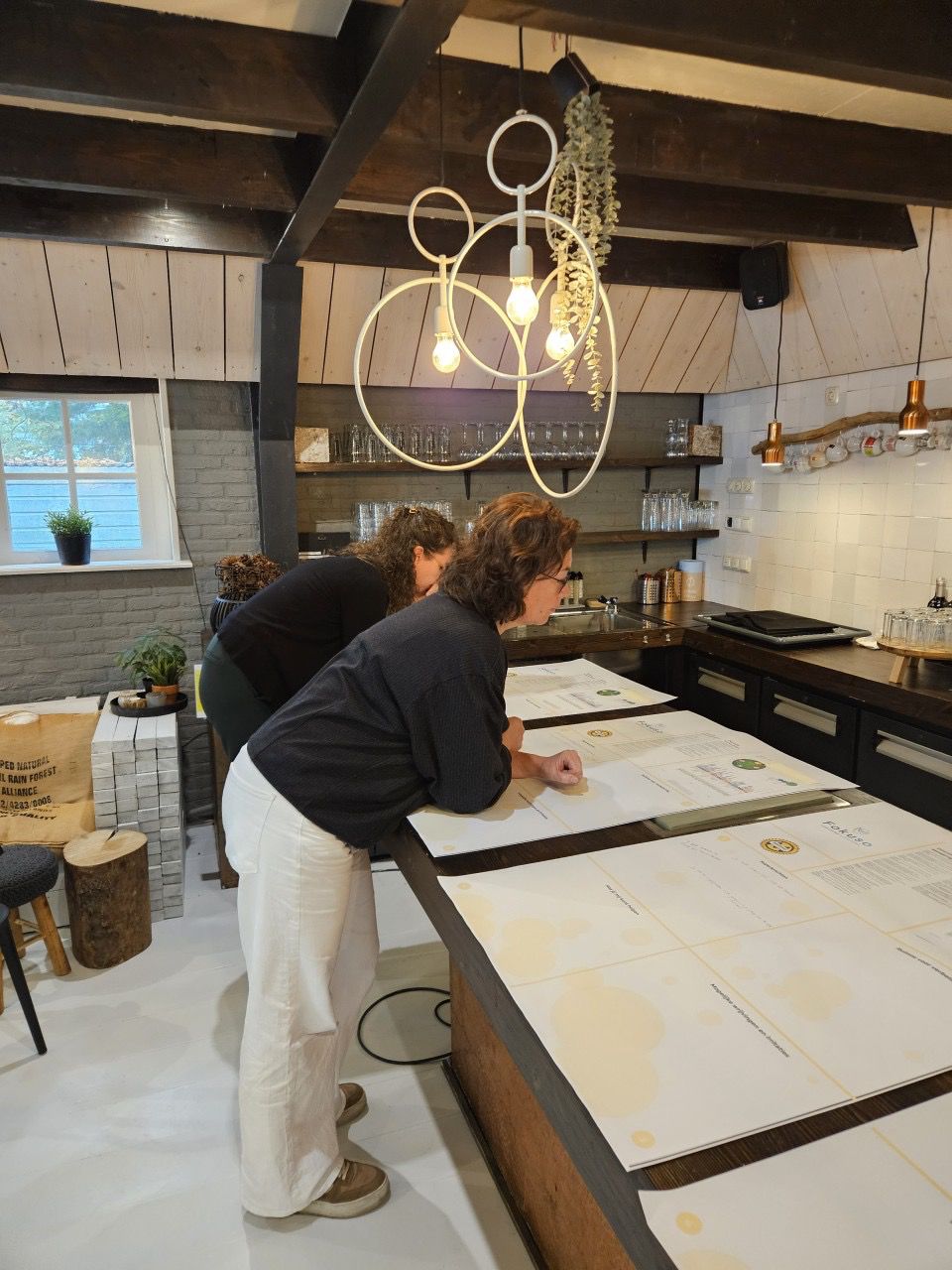
Two participants studying their MindSonar profiles during the team day.
A school in the middle of the Netherlands reached out to Fokuso Coaching & Training for support with a team that had come to a standstill. Ten teachers, men and women, were working toward a shared goal: preparing students for their final exams. Genuine collaboration, however, had all but disappeared.
The atmosphere was tense. Misunderstandings piled up in the staff room. One person felt their colleagues were too casual about things. Another felt that every minor detail was being blown out of proportion. One team member came across as someone who often pushed back and kept returning to the same points. Another withdrew, adapted to whoever was loudest, rarely made his own voice heard.
Meanwhile, the overall results were actually quite solid. No one on the team could see that anymore.
The Root of the Problem
The team did not understand each other. This was not because people lacked the will to collaborate, but because no one had insight into why the other person behaved the way they did. Different work values and different ways of seeing. Without understanding those differences, behavioural contrasts get misread. Not as accusations flying back and forth, but as quiet friction that wears people down.
The Approach
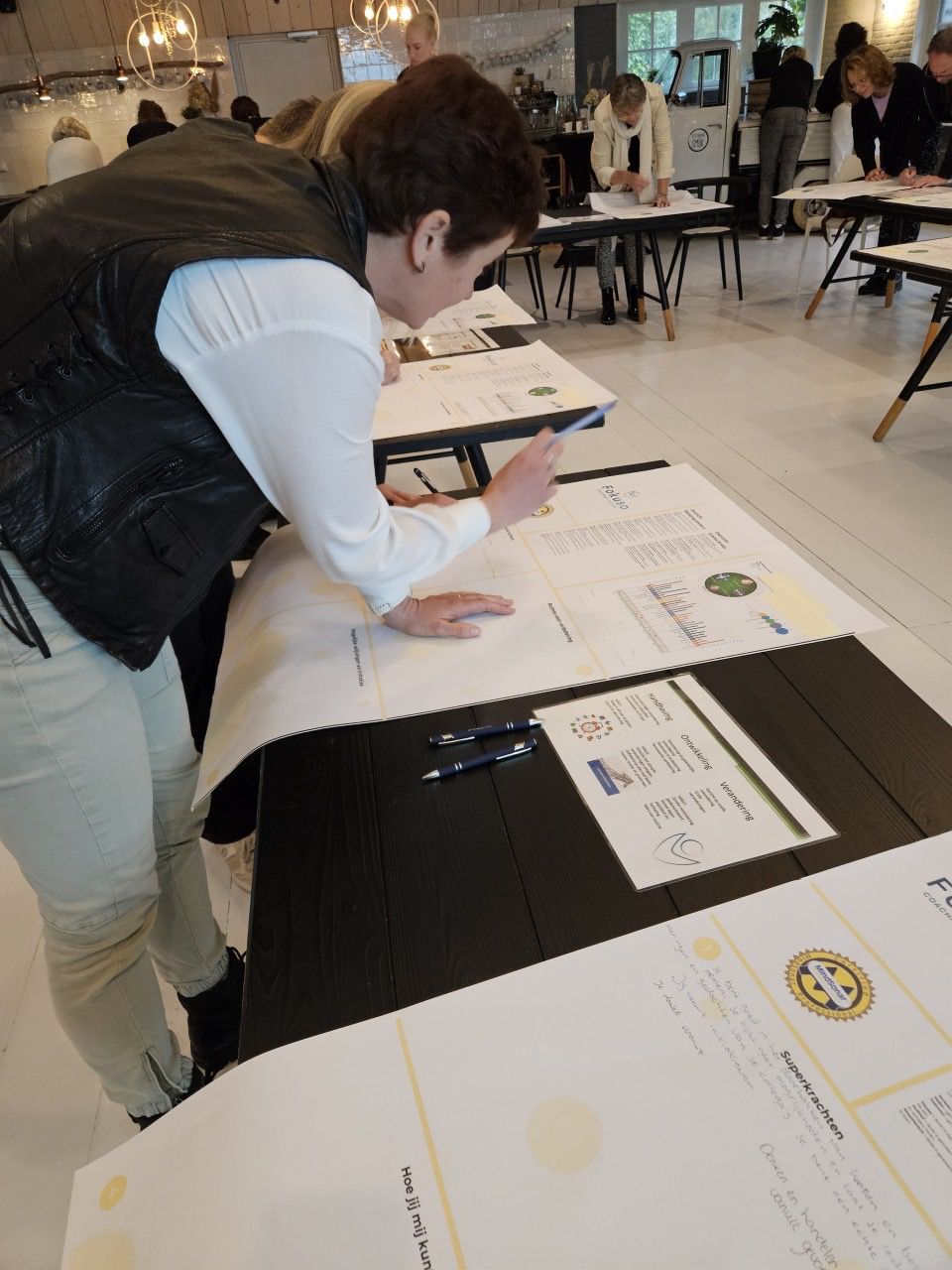
Team members writing anonymous feedback on each other’s profiles, following the F5 method.
Fokuso used two tools.
MindSonar. A profile that provides insight into the thinking styles and values a person applies at work. Not a label, but a mirror.
The F5 Method. A structured approach in which team members give each other anonymous feedback based on their profiles. Because the feedback is anonymous, the sting disappears. Judgements do not surface directly. What remains is honest, recognisable insight.
The ten teachers completed the MindSonar profiles, exchanged anonymous feedback, and worked through the outcomes together during a team day.
What Happened
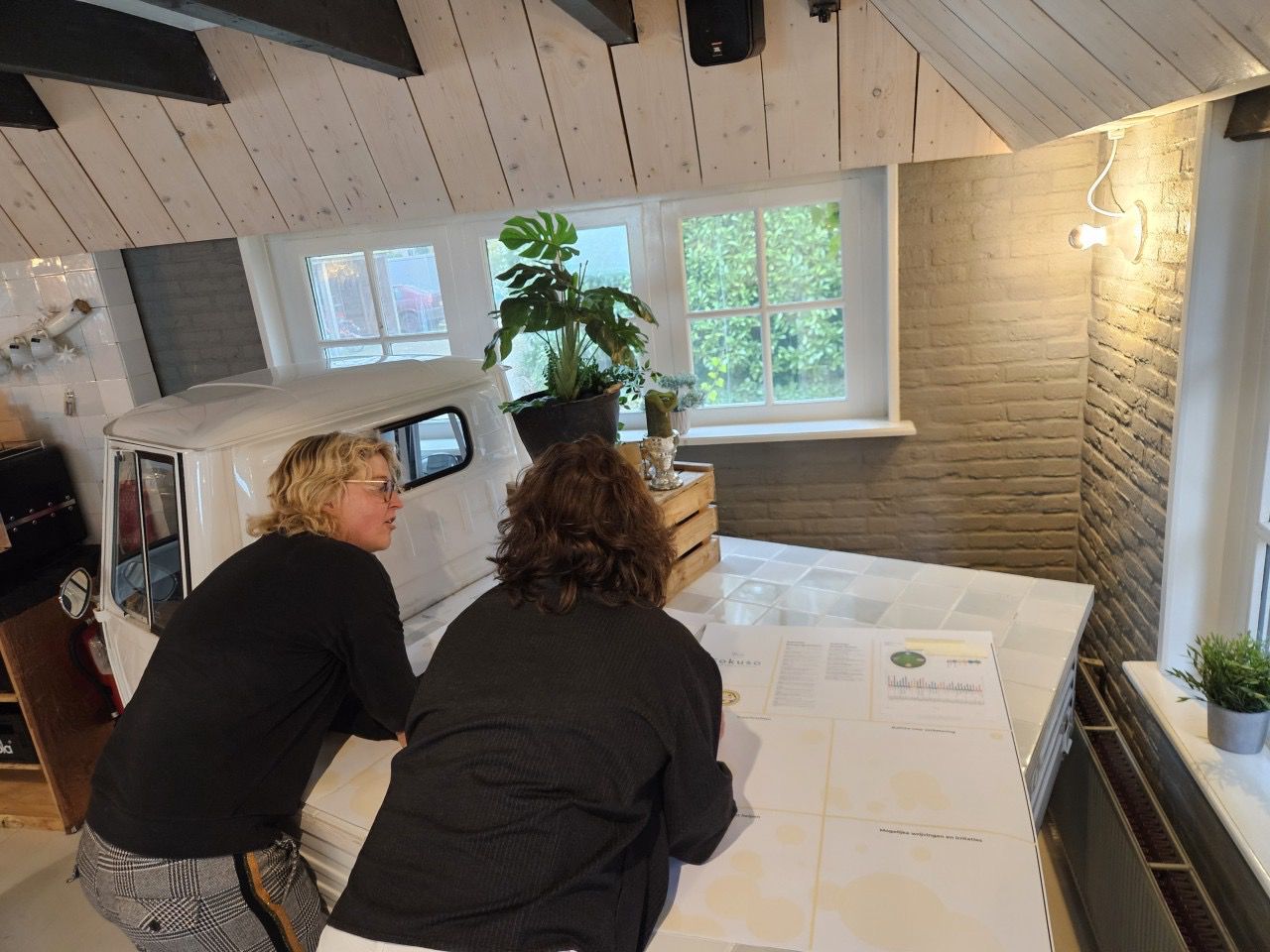
Two colleagues working through the outcomes together, one of the quieter moments of the day.
The anonymity turned out to be the key element. Because team members did not know who the feedback came from, the automatic defensiveness fell away. Space opened up to genuinely listen, both to what others experienced and to what each person’s own profile revealed.
The conversation shifted from who is right to how each person actually looks at the work.
Team members discovered each other’s blind spots and strengths. For the first time, they understood why one colleague always pushed for more detail, driven by a deep-rooted need for quality and structure. They also saw why others kept wanting to protect the bigger picture.
The Breakthrough
Two moments stood out.
The team member who had often been read as the difficult one, the colleague who kept returning to the same concerns, openly shared at the end of the day that he felt heard and seen for the first time in years.
Another colleague, who typically operated reactively and let his attitude be shaped by those around him, realised that he was allowed to step forward. His knowledge and perspective were genuinely valuable to the team, in line with his profile rather than in conflict with it.
The Results
From mutual misunderstanding to mutual understanding.
Insight into each other’s motivations and work values.
Concrete tools for better collaboration.
More energy and ownership within the team.
A team day experienced as a genuine turning point.
What This Shows
Collaboration rarely breaks down because people do not want to work together. It breaks down because people do not understand each other. When what drives someone becomes visible, and when there is enough safety to talk about it, the dynamic changes. Problems are not avoided, they are examined through the right lens.
Does your organisation have a team that is stuck, or one that shows more potential than its current output suggests? Fokuso guides teams using proven methods such as MindSonar and the F5 approach.
Get in touch at www.fokuso.nl. To learn more about MindSonar, visit mindsonar.info.
About the practitioner: Jan van der Werf, Holistic Coach
Sometimes you get stuck. In your work, in your team, or simply in yourself. You notice that you keep ruminating, spend too much time in your head, or lose energy. These are precisely the moments when Jan helps you bring movement back.
Through Fokuso Coaching & Training, Jan has been offering individual coaching, team coaching, and training programmes such as mindfulness (MBCT), ACT, and systemic work for more than ten years. Not abstract, but down to earth and practical. The focus is on strengthening resilience, focus, and balance.
Jan believes that everyone has the capacity to grow, even when things are difficult. His approach is intensive, results-oriented, and at times confronting, yet always delivered with empathy and respect for each person’s unique story. Small steps can lead to significant change: less stress, more calm in the mind, energy in the body, and clarity in decisions.
Plan your appointment at Fokuso and make the difference today.
www.fokuso.nl · 06 5264 0611 · info@fokuso.nl
Complete guide to the MBTI personality test: what it measures, the 16 types explained, real applications in coaching and organizations, and how MindSonar goes further when you need context-based precision.