Unlocking Team Potential: The Power of Using Thinking Style Analysis In Team Development
Introduction:
In the current business landscape, teamwork has emerged as one of the most acute factors in achieving success. Teams with diverse skills and perspectives often outshine individuals who work alone. However, unlocking a team’s full potential requires a deep understanding of the individual thinking styles of individual members. By having this awareness, leaders can leverage the strengths of each member and overcome any weaknesses, leading to better decision-making, higher productivity, and superior results.
Neurolinguistic Programming (NLP) has been widely used in business for quite some time now and has proven to be a valuable tool for development. With the rise of technology and innovation, various NLP tools are available to practitioners to help them facilitate individuals or teams to achieve their desired outcomes. One such tool that is underutilized in NLP is ‘Metaprogrammes’ or thinking styles.
Many professionals still prefer using personality assessment tools that tend to categorize individuals into only four descriptors or points and provide an overview. This approach can be too restrictive and usually does not consider the complexity of an individual’s thought process in different contexts. Metaprogramme analysis fills this void.
In NLP, we learn about the importance of modeling behavior. One key aspect is understanding our values, beliefs, thought processes, and perceptions in different situations. By examining our metaprogrammes, we can analyze and uncover the underlying cognitive diversity that influences how we think and behave in particular contexts. I have met many NLPers who don’t understand the power of metaprogrammes, and to be honest, I was one of them.
Identifying and applying metaprogrammes unique to each individual requires active listening and observation of verbal and nonverbal cues. There are online tools available to assist in this process. By understanding cognitive styles, practitioners can help individuals achieve peak performance. Unfortunately, many people tend to oversimplify metaprogramme applications and ignore the dynamic nature of their context-specific use.
Understanding Metaprogramme Patterns:
Using metaprogramme analysis helps individuals obtain a deeper understanding of their cognitive preferences, values, and motivations. With insights into problem-solving, decision-making, and interpersonal interactions, thinking patterns empower individuals to unlock their full potential and achieve their goals.
One of the significant advantages of utilizing metaprogrammes for team development is that they enable organizations to gain valuable insights into the collective mindset of their teams. By analyzing the collective metaprogrammes, teams can identify their strengths and weaknesses and devise strategies to enhance team dynamics and communication.
When working with teams, avoiding technical terms like ‘metaprogrammes’ is a good idea, which can be unclear for some people. Instead, using more familiar terms like ‘thinking patterns’ or ‘cognitive styles’ when referring to the same concept is better. This helps to ensure that everyone on the team is on the same page and can understand the discussion without feeling left out particularly when explaining no one pattern is better than another but all are required with teams at different points.
The Power of Thinking Styles in Team Development is:
1. Enhanced Communication:
People with varying thinking styles may have distinct ways of interpreting information, which could lead to misunderstandings and hinder collaboration. By recognizing and appreciating these differences, teams can develop more effective communication strategies that cater to the unique needs of each individual.
2. Improved Problem-Solving:
By bringing together individuals with different cognitive approaches, teams can tap into various perspectives to analyse challenges and develop innovative solutions. Thinking patterns help teams leverage diversity to solve problems effectively and better understand strengths and weaknesses in different situations.
3. Increased Adaptability:
By recognizing each team member’s unique preferences and strengths, leaders can allocate tasks and responsibilities within their teams that best match their abilities. This approach also builds trust and respect, fostering a supportive work environment.
4. Conflict Resolution:
Recognizing that different team members may have unique approaches to handling conflicts and acknowledging these differences allows for strategies that cater to individual preferences to be developed.
5. Strategic Planning:
By analyzing team members’ cognitive preferences and thinking styles, leaders can gain valuable insights into their team. This information can then align tasks and responsibilities with individuals with the most relevant cognitive strengths, improving the team’s role satisfaction and overall performance.
6. Team Cohesion and Trust:
Thinking patterns provide insight into how individuals perceive the world, including their values, beliefs, and motivations. When team members trust and respect each other’s thinking styles, they are more likely to work together effectively.
7. Skill Gap Identification and Strategic Recruitment:
Integrating thinking patterns into the recruitment process enables the creation of targeted job profiles and the assessment of candidates based on the team’s requirements, ensuring new starters are a better fit for the team and addressing skill gaps more effectively.
8. Communicating with impact
Every word we use has the power to either uplift or harm people. By understanding the communication style of our team, we can leverage language to guide them towards positive change or adaptation. By understanding and working with each team member, the leader speaks and acts for the entire team’s benefit.
How We Do This:
Enhancing team performance encompasses three elements providing:
- Decoding and giving feedback to individuals.
- Conducting a Team Day- to enable team members to decode each other.
- Devising a coach in the room profile.
Providing individuals with one-on-one coaching and feedback on their metaprogrammes helps them share their thoughts, opinions, and perceptions. This feedback allows them to understand themselves better so they can understand others. Accurate analysis of metaprogrammes allows individuals to identify their weaknesses and areas for growth, which enables them to form strategies to improve their skills.
Conducting a Team Day
By prioritizing understanding of others, team members develop a better understanding of each other.
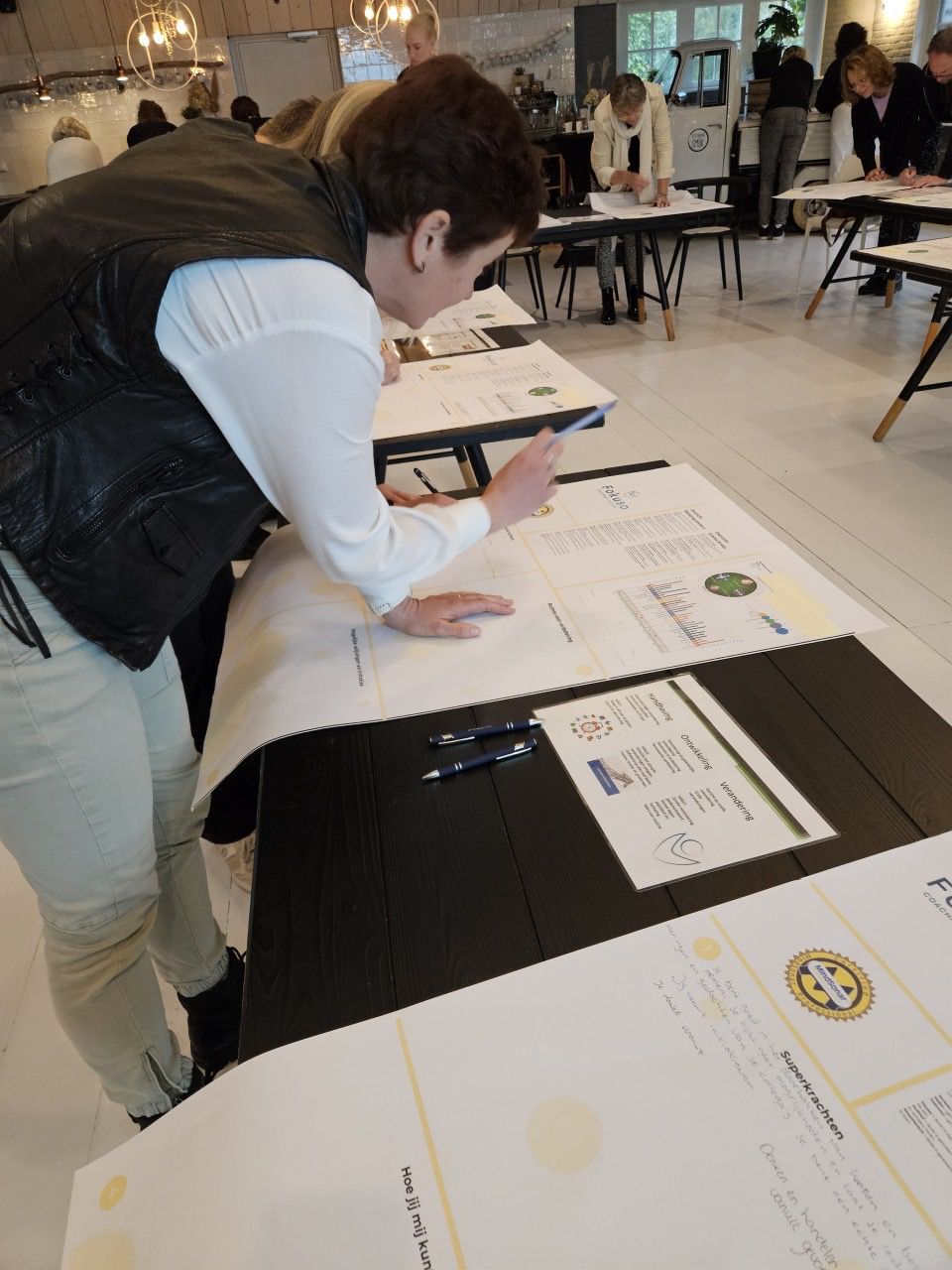
During the Team Day, everyone works through a personalized booklet that contains relevant information and exercises related to their work. Each team member has a quick reference guide to access the various thinking patterns and their definitions easily.
The facilitator, will guide the team through the booklet, providing insights on approaching and communicating with others to motivate and inspire them.
During the session, individual criteria or values are explained, each metaprogramme and groups of metaprogrammes are explained and described in body language and verbal language giving the impact of each. Specific exercises are undertaken as a group to deepen the team’s understanding.
Cooperation is gently enhanced by understanding team members’ cognitive styles. For example, a manager and a colleague may have different thinking styles. Still, they can find ways to complement each other by acknowledging and appreciating their differences in communication and motivation. They can then discover their combined perspectives are more effective.
Individual team profiles are displayed in the room. These are usually anonymized to help the team focus on the profile rather than the individual. The primary task of each participant is to comment on each poster regarding the profile’s strengths, areas for improvement, how that profile can help them grow, and potential frictions and irritations they may have with these profiles.
The day also includes activities to understand the department’s behaviors and the customer’s needs.
Outcomes for the participants for the day:
1. Understand my purpose and why I do what I do:
This will help participants understand how their work aligns with their values and purpose.
2. Understand the impact of our department and company on our customers and consumers:
This will help participants understand how to improve processes and deliver better results.
3. Understand what motivates me and how I communicate:
This will aid participants in gaining a deeper understanding of themselves and how to communicate effectively with colleagues and customers.
4. Identify potential areas of conflict and learn how to prevent them from arising:
This will enhance team collaboration and productivity.
5. Learn how to transform conflicts into opportunities for growth and support:
This will foster stronger relationships with colleagues and customers, creating a more positive work environment.
6. Network with other individuals:
This helps participants broaden their understanding of the industry and develop innovative approaches to their work.
Devising Coach in the Room poster
The team are left with two posters: one showcases the team’s collective thinking patterns, and the other is a coach-in-the-room poster.
The coach-in-the-room poster highlights the team’s weaknesses( although the better term is blind spot). When they come together, they can refer to the poster to remind themselves to ask the questions they might not usually ask.
The ongoing benefits of the day and the posters are:
1. Enhanced Understanding:
Team members can gain a deeper understanding of their own and their colleagues’ cognitive patterns. This awareness can lead to better communication and collaboration, as team members can adapt their communication styles to align with the preferences of others.
2. Improved Questioning Skills:
Understanding metaprograms enables individuals to ask more insightful and targeted questions. This can be particularly valuable in problem-solving and decision-making processes, as team members learn to approach challenges from different perspectives.
3. Annual Review and Continuous Improvement:
The practice of metaprogram analysis can be incorporated into annual reviews, fostering continuous improvement within the team. Team members can reflect on their metaprogramme preferences, identify areas for growth, and set goals for personal development.
4. Team Dynamics and Composition:
The process encourages teams to consider the diversity of metaprogramme profiles within the group. This awareness can be used when forming teams or adding new members, ensuring a balanced mix of cognitive approaches that contribute to a more well-rounded and effective team.
5. Prominent Display and Constant Reminder:
Displaying team profiles prominently serves as a constant reminder for team members to be mindful of their cognitive preferences and those of their colleagues. This visual reinforcement can help maintain focus on understanding and adapting to different communication styles.
6. Networking Opportunities:
Encouraging team members to network with individuals who have different metaprogramme profiles or complementary strengths can lead to a richer exchange of ideas and perspectives. This diversity can stimulate creativity and innovation within the team.
In summary, metaprogram analysis can be a valuable tool for fostering self-awareness, improving communication, and optimizing team dynamics. The ongoing nature of the process, coupled with its integration into team practices, contributes to a culture of continuous learning and development